Acid Mine Drainage
Acid Mine Drainage
How is AMD formed?
What's in AMD?
What is the pH scale?
What are the risks?
Conclusions
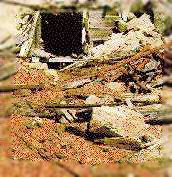
One of the most under-publicized problems facing environmental health in the Australia is that of toxic waste emissions or acid mine drainage (AMD) from abandoned mining sites. It threatens the quality of the surface and ground water supply with contamination of toxic heavy metals and high levels of acidity. More effective and creative solutions must be found to combat this problem quickly, in order to prevent irreparable damage to the wildlife, plant life, and water supply .
There are two points of view with regard to acid mine drainage. Some peoplebelieve that there is no problem. These people argue that the contamination introduced into the watersheds is minimal or even non-existent, and the damage to the environment is minute. Other people argue that it is difficult to contain surface and ground water contamination and that it can easily spread outside its source area.
How is AMD formed?
Contaminants come from two primary sources in hard rock mines: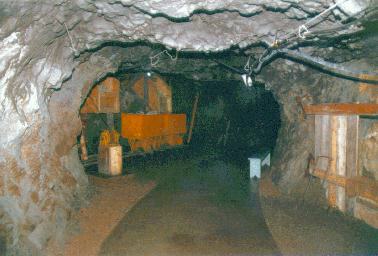
Tunnel walls
Ground water builds in the tunnels of abandoned hard rock mines (such as silver and gold mines). This water combines with sulfide minerals and oxygen to form sulfuric acid. The acid leaches exposed metals from the surrounding rock walls of the tunnel, dissolving and carrying the metals into the groundwater and surface water supplies.
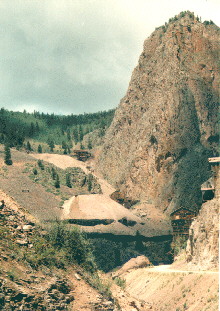
Tailings piles surrounding the mining site
(Tailings are the waste rocks left over from the milling process, which are usually ground into small pieces.)
Acid rain falls onto tailings piles, which results in the same mobilization of the metals in the rock which has been conveniently ground up, providing more surface area from which the acid may leach minerals.
What's in AMD?
Lead, copper, zinc, cadmium, aluminum, iron, manganese and selenium are some of the most commonly found heavy metals in the runoff from mining areas. There are also significantly high levels of acidity in these areas. It has been found that pH levels of about 3-4 are common in mine discharge waters.What is the Ph Scale?
A pH level of 3 corresponds to an increase of 10,000 times the acidity in 'neutral' water, which has a pH level of 7. Many species of water creatures, such as frogs and salamanders are known to have reproductive problems in waters with pH levels much below 5.5.
Risks of high acidity on the environment
Depletion of aquatic life- Fish, salamanders, frogs, and other aquatic species will begin to dwindle in number, as the acidity and heavy metal content of their habitat increases.
Contamination of food chain
- Heavy metals in the water will collect in the tissues of fish and other creatures. If enough metals collect, it can be toxic to the fish or to a creature that eats the fish.
Contamination of drinking water supply
- Toxic heavy metals remain dissolved in the acidic water from the mines. These metals can be ingested by humans through drinking water supplies, causing severe health problems:
- Lead - brain, kidney, and nervous system damage
- Cadmium - high blood pressure, liver damage, cancer
- Mercury - deterioration of the nervous system
- The damage to wildlife and water systems in the drier regions of Australia due to toxic mining drainage will impact all aspects of the ecosystem. Arid regions have delicate and fragile balances, with very little buffering for increased levels of acidity in the water supply.